
Tom Wolfe once observed that journalism is less a profession than an attitude, and that attitude, more often than not, is entitlement. For years, that entitlement was understood to mean access: the right to ask questions, to dig, to expose. But somewhere along the way, journalism stopped being understood as a profession bound by rules and became something closer to a moral exemption. If a camera is present, the thinking goes, ordinary legal limits no longer apply. Trespass becomes “coverage.” Interference becomes “reporting.” And accountability becomes an attack on press freedom.
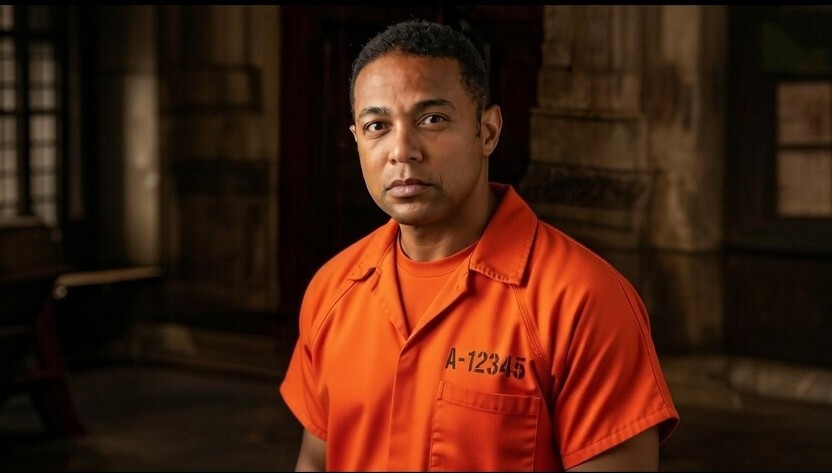
That is not how the Constitution works, and the controversy surrounding Don Lemon’s behavior and arrest is not really about press freedom. It’s about whether journalism now believes it exists outside the rules that govern everyone else.
Let me clear: I am not in favor of arresting journalists for doing their jobs. EVER! My goodness, if we arrested people for unpopular speech I’d be serving several consecutive life sentences! But common sense must prevail, and we must all reject the fatuous argument that journalists are effectively allowed to do anything they want so long as they claim to be “reporting.” There is a line between observing lawbreakers and being a lawbreaker, and that line matters.
I could not have rushed the stage at CNN when Don Lemon was hosting a show, disrupted the broadcast, and then claimed immunity on the grounds that I was “participating in journalism.” No one would take that argument seriously. Yet that is effectively what is being asserted here: that because he had a camera — rather, because someone else was holding one for him — Lemon is entitled to enter private property uninvited and interfere with other people’s exercise of their rights to free speech and the free exercise of religion, and break of any number of other laws (trespassing, disorderly conduct, etc.). Those rights and laws are not subordinate to Don Lemon’s sense of moral urgency, political righteousness, or need for attention. We have laws that all of us have to follow precisely to prevent this kind of interference, and those laws do not contain a carve-out for journalists who believe they are on the “right side” of history.
This is not about punishing speech. It is about conduct. There is a meaningful legal and moral distinction between documenting a protest and becoming an active — indeed, central — participant in one, especially when that participation infringes on the rights of others.
And this is where a deeper cultural problem emerges. There is an unmistakable strain of lawlessness on the Left that treats one’s own moral certainty as a license to ignore rules altogether. This should not surprise anyone. After all, this is the same ideological current that treats reality as subjective and morality as relative, so it follows that law itself becomes negotiable. If an action feels righteous, then it must be permissible. If the cause is noble enough, then ordinary constraints no longer apply.
That attitude is corrosive. A society governed by law — otherwise known as a “democracy” — cannot function if people decide, case by case, that the rules apply to everyone except them. The Constitution protects speech. It protects the press. It protects religion. It does not protect interference, coercion, or disruption simply because a camera happens to be present.
And shame on the mainstream media for refusing to say so. Instead of drawing this obvious distinction, they have chosen to rally around a bad actor simply because he calls himself a journalist. I agree that we live in a time when those of us who value civil liberties must be especially vigilant. I have spoken often about the casual, sometimes indifferent, sometimes grudging, sometimes dismissive attitude toward our rights and liberties displayed by this administration, and frankly the last one as well. Times like these demand good lawyers and good journalists. We lawyers have rules of professional conduct and ethics committees to enforce them. One wonders, at times like this, if journalists have any ethics at all.
This is not an attack on the media. The media is here inflicting its own wounds. If journalism is to retain any remaining modicum of credibility, it must be willing to defend its own profession, not by circling the wagons around one of their own who abuses it, but by defending the democracy and the rule of law that protect it.